

FIND WHAT YOU WANT
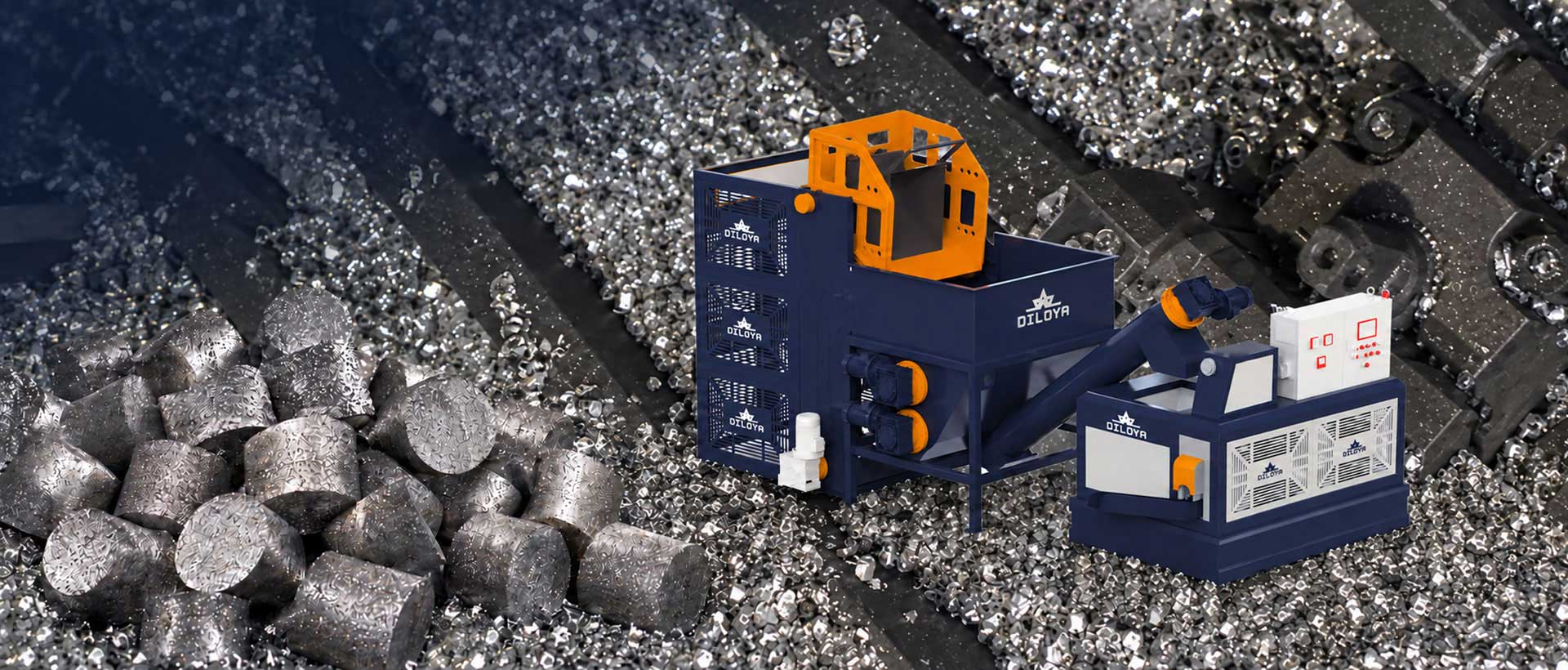
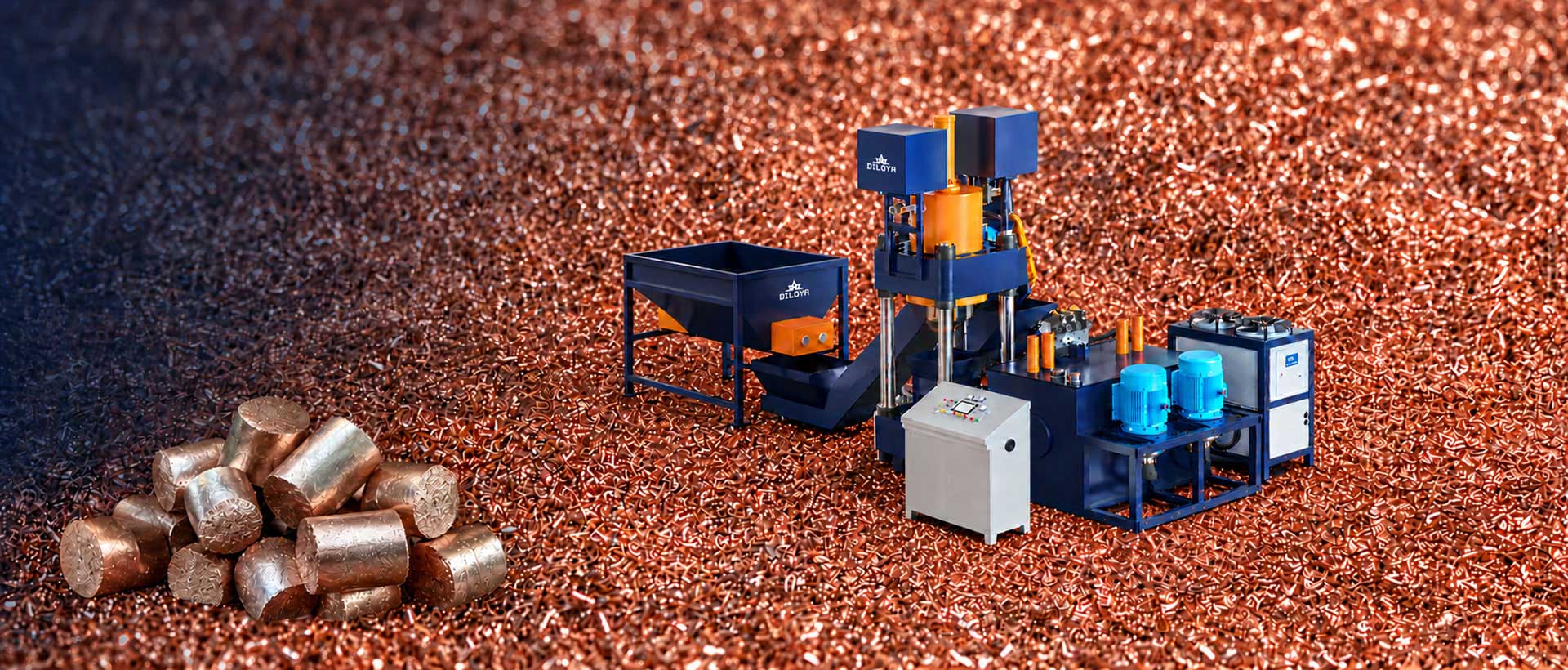
THEN ACTIONExplore five core recycling equipment: Metal Balers, Metal Chips Briquette Presses, Hydraulic Shears, Vertical Balers and Bagging Balers--engineered for efficient material handling and Recycling Industry!
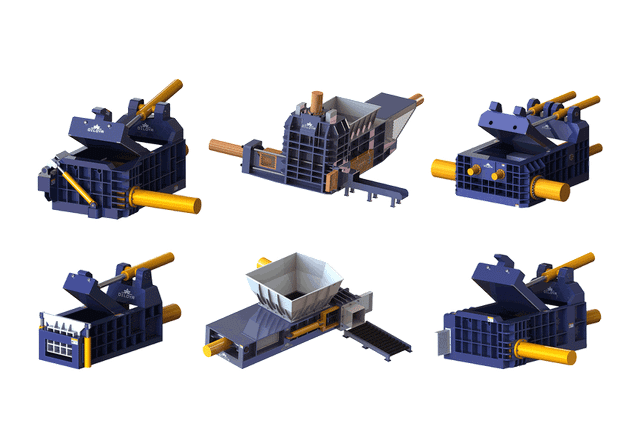
Metal Baler
High-density baling solutions for ferrous and non-ferrous scrap recovery.
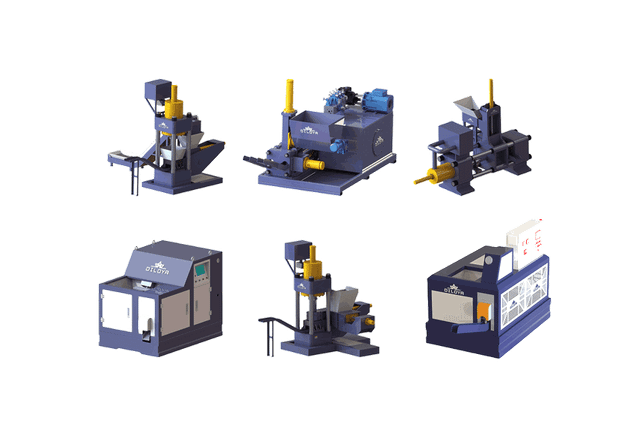
Briquette Press
Convert metal chips and swarf into compact briquettes for easier handling and recovery.
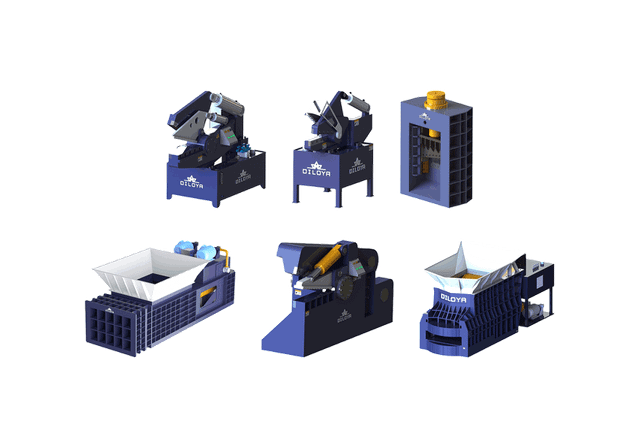
Hydraulic Shear
Reliable cutting systems for processing oversized metal scrap into furnace-ready feedstock.
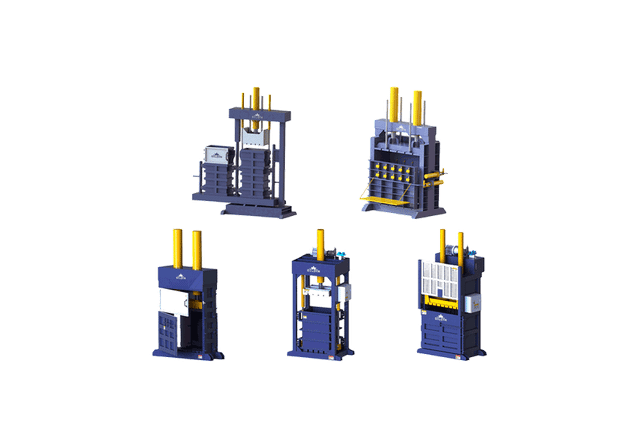
Vertical Baler
Space-efficient balers for textiles, tires, natural fiber and recyclable materials.
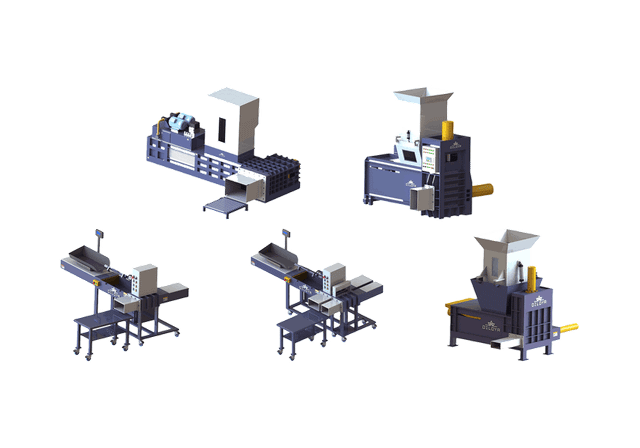
Bagging Baler
Automated bagging and baling equipment for loose industrial and agricultural materials.
ABOUT DILOYA
DILOYA is a high-tech environmental equipment manufacturer specializing in hydraulic balers, hydraulic shears, shredders and granulators, together with complete recycling solutions. Backed by independent engineering, a 24,000 m² manufacturing base and a team of more than 30 technical engineers, DILOYA supplies CE-, SGS- and ISO-certified equipment to customers in over 120 countries. From material analysis and system configuration to manufacturing, installation, spare parts and after-sales service, we help recycling businesses build reliable, efficient and long-lasting production lines.
Discover DILOYA+


HOT PRODUCTS
Explore eight popular DILOYA recycling machines selected from our five core product systems.
MORE+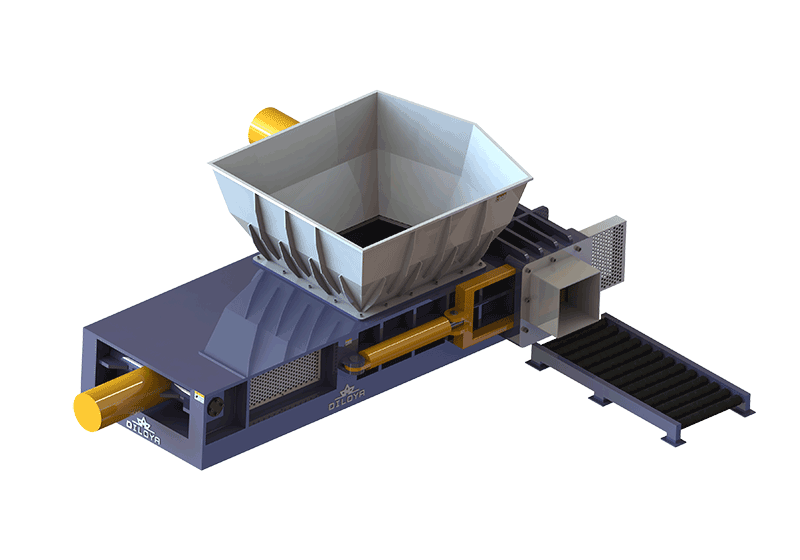 Metal Baler
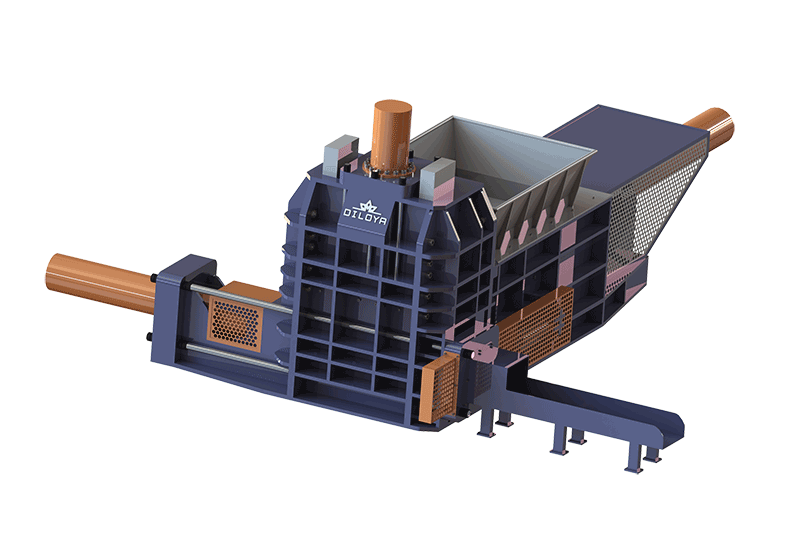
Hopper Type Shear Baler
The Hopper Type Shear Baler is a heavy-duty hydraulic scrap processing machine designed for efficient shearing, compacting, and recycling of various metal scraps, aluminium tins cans, Scrap steel, light metal, sheet metal, profiles, pipes, and other bulky materials can be continuously loaded into the hopper and compressed before cutting.
 Metal Baler
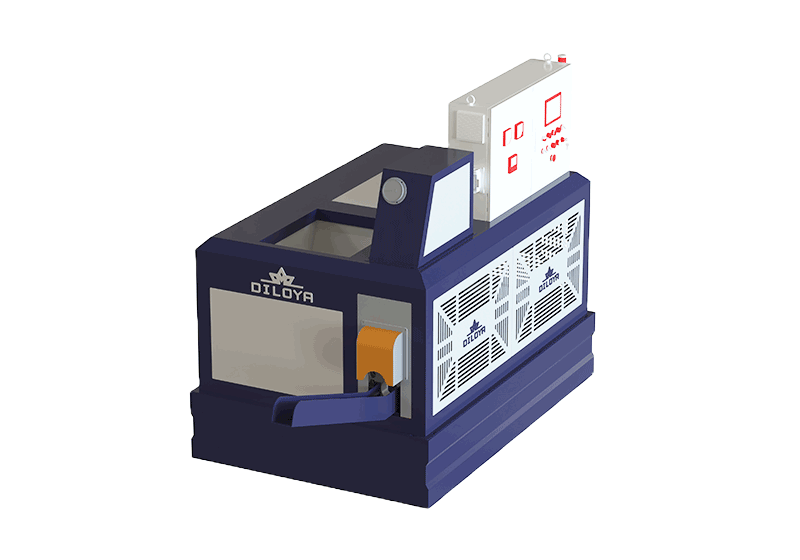
Three Rams Shear Baler
The DILOYA Three Rams Shear Baler combines staged hydraulic compression, shearing and bale discharge to turn loose metal scrap into compact, uniform bales for recycling, storage and transport.
 Briquette Press
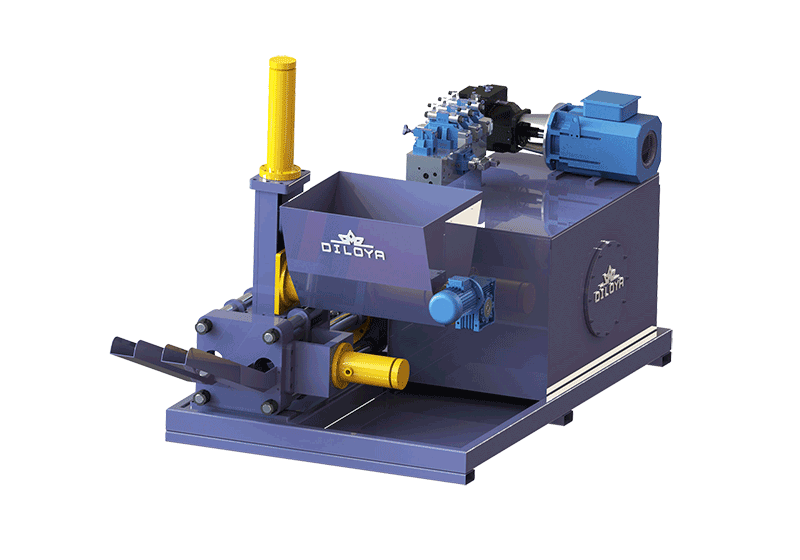
Integrated Briquetting Press
The DILOYA Integrated Briquetting Press combines chip feeding, hydraulic compaction, briquette discharge and coordinated controls in one metal-chip recovery system. It turns sorted aluminium, copper, brass, cast-iron and other suitable machining chips into compact briquettes for easier handling and recycling.
 Briquette Press
Double Outlet Briquetting Press
The DILOYA Double Outlet Briquetting Press cold-compresses suitable metal chips into dense briquettes and uses two discharge outlets to support a planned collection flow. It is configured for recycling operations that need steady feeding and efficient removal of finished blocks.
 Hydraulic Shear
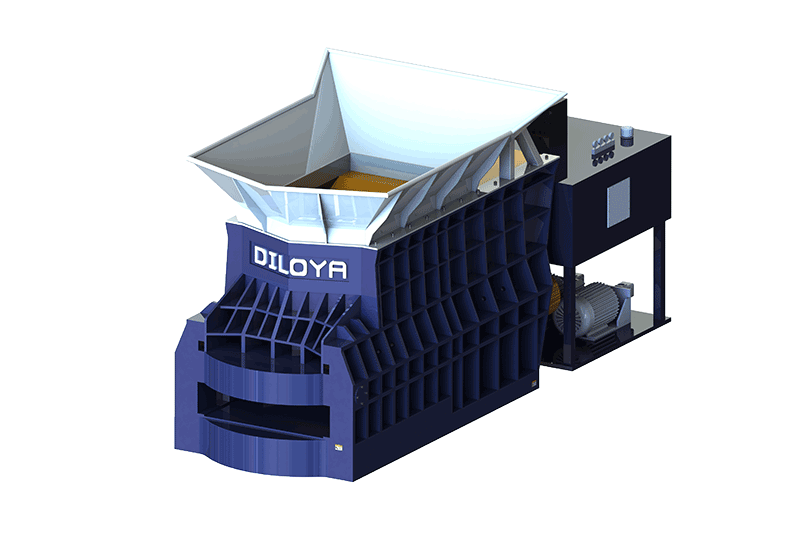
Horizontal Container Shear
The DILOYA Horizontal Container Shear uses a box-style receiving chamber to contain, compress and shear bulky steel scrap in a planned production sequence. Its horizontal layout is intended for high-volume scrap yards that need strong cutting performance while using the available site area efficiently. Heavy plate, structural sections and other compatible ferrous scrap are assessed against chamber dimensions and cutting force.
 Vertical Baler
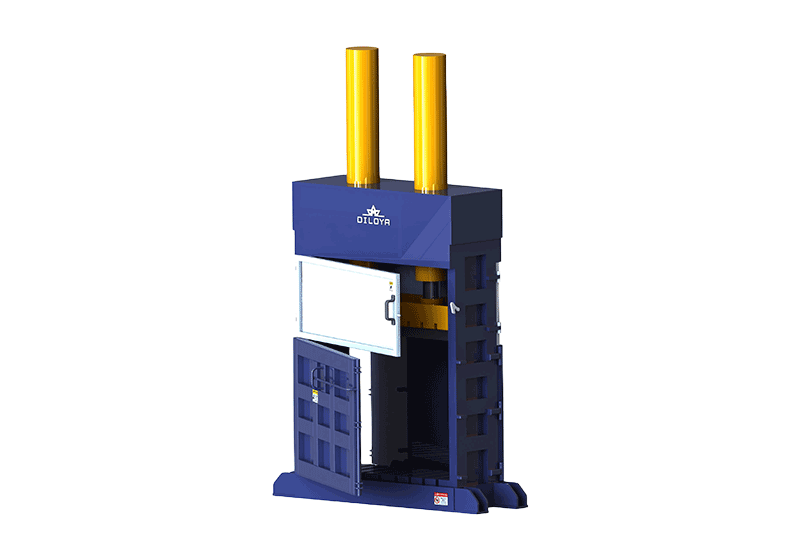
Vertical Natural Fiber Baler
The DILOYA Vertical Natural Fiber Baler uses front and rear door access to simplify loading and tying of sisal, coir, palm fiber and other compatible plant fibers. Hydraulic vertical compression forms stable, transportable packages from bulky, springy material. Bale dimensions and tying are configured around fiber condition and container-loading requirements to improve practical shipping utilization.
 Vertical Baler
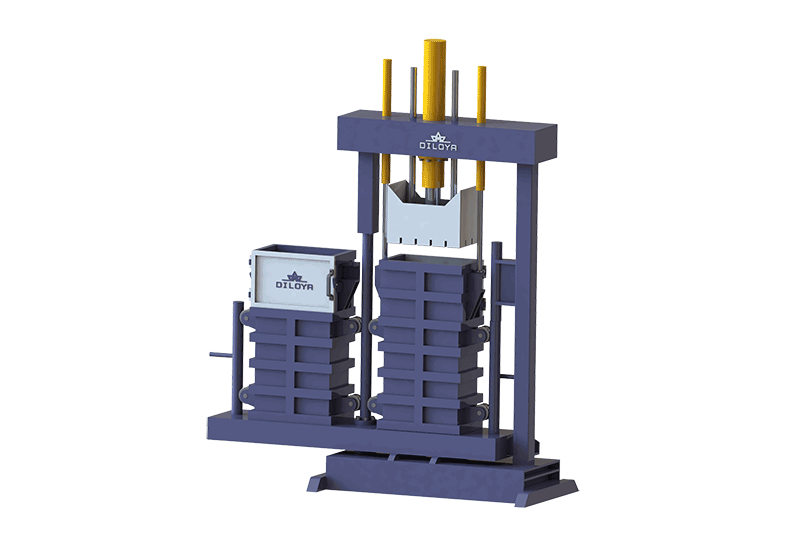
Twin Chamber Swiveling Baler
The DILOYA Twin Chamber Swiveling Baler combines two lift-box chambers in a swiveling layout for used clothes, textile waste and other compatible soft materials. While one chamber is pressing, the other can be prepared for loading or bale removal according to the machine's safety sequence. This overlap supports higher practical throughput than a comparable single-chamber workflow; an optional conveyor can streamline incoming material handling.
 Bagging Baler
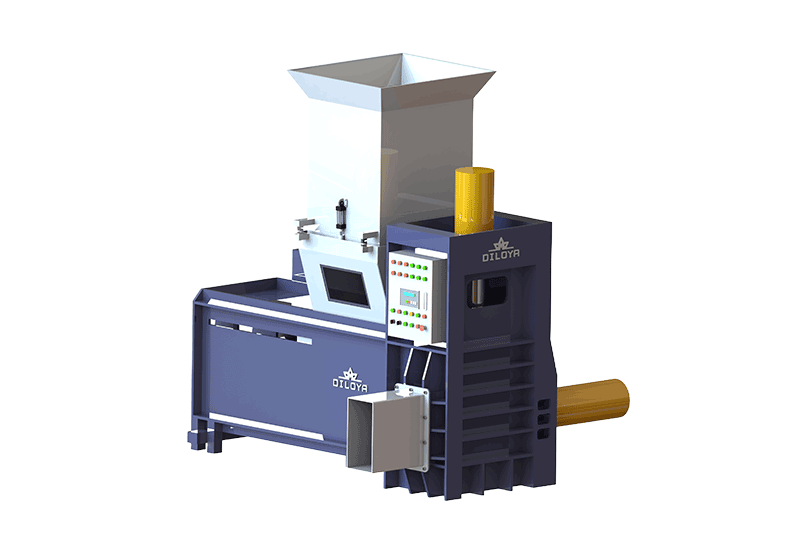
Three Rams Bagging Baler
The DILOYA Three Rams Bagging Baler applies staged three-cylinder compression to loose, bulky agricultural and wood-derived material before bagging. Suitable feeds may include alfalfa hay, wheat straw, corncob granules, wood shavings, sawdust, cottonseed hulls, rice husks and stevia leaves after material assessment. Its multi-directional pressing sequence produces dense, regular packages. A specified high-capacity line can reach up to 220 bales per hour, depending on feedstock and bale specification.
APPLICATIONS
Engineered around the material, throughput and operating conditions of each recycling line.
MORE+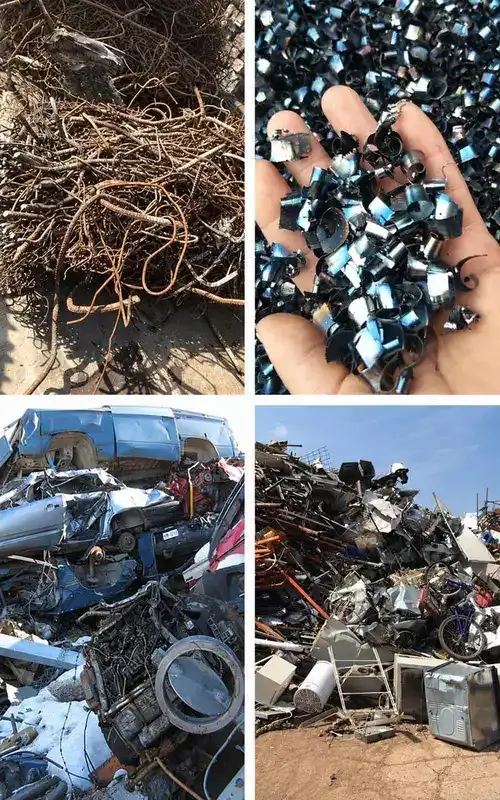
Steel Scrap
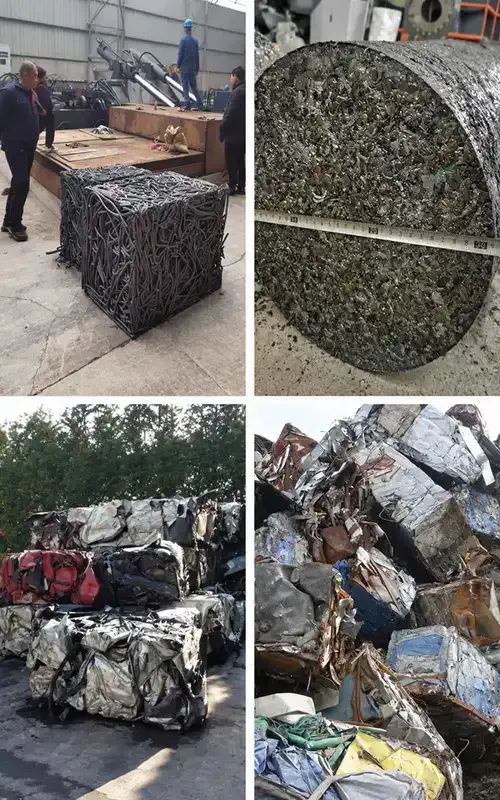
Steel Scrap
Compress steel scrap into dense bales for easier handling and transport.
Explore application +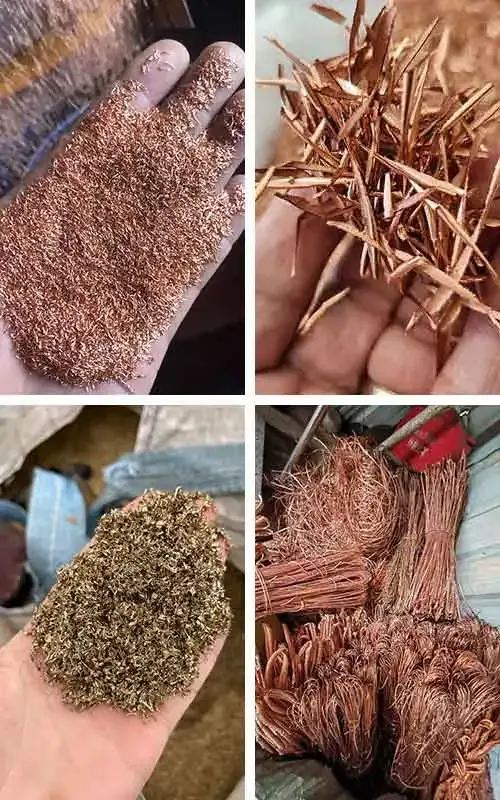
Copper&Brass Scrap
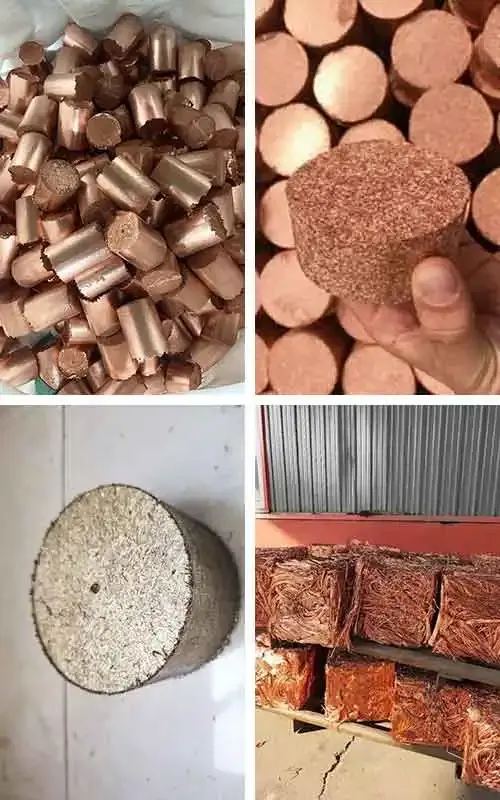
Copper&Brass Scrap
Process copper and brass scrap into compact, manageable packages.
Explore application +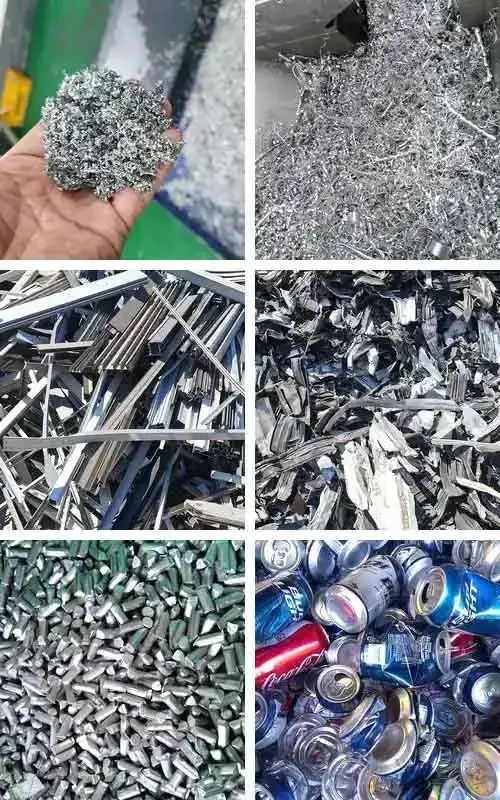
Aluminium scrap
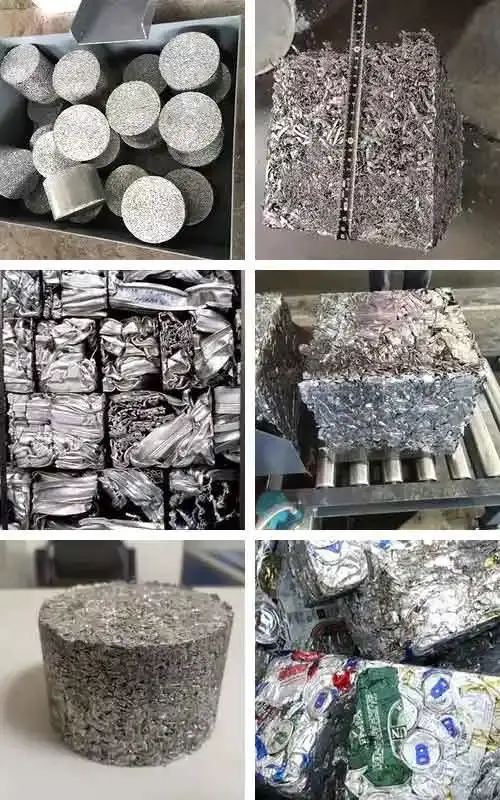
Aluminium scrap
Bale aluminium scrap for efficient storage, shipping and recycling.
Explore application +
Natural Fiber
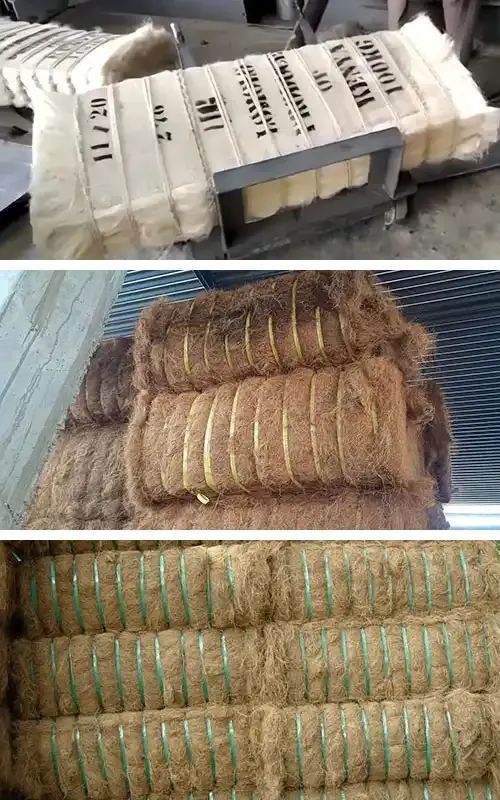
Natural Fiber
Compress plant fibres into stable bales for cleaner shipping.
Explore application +
Textiles&Old Clothes
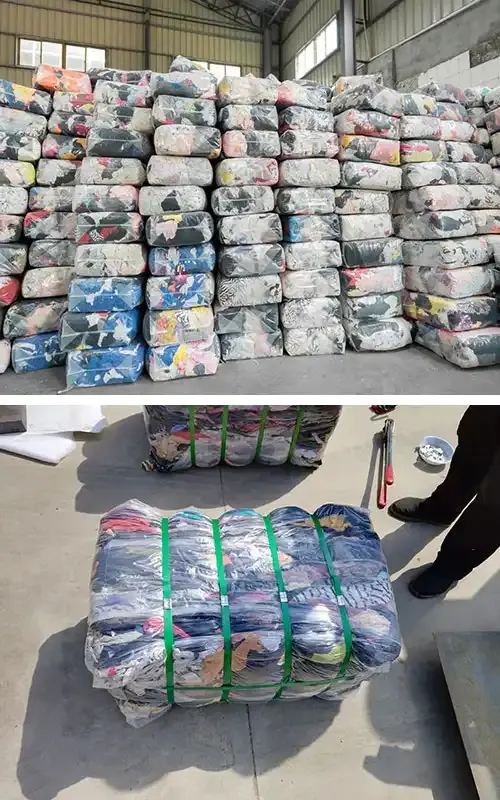
Textiles&Old Clothes
Bale used clothes and textiles to save storage and transport space.
Explore application +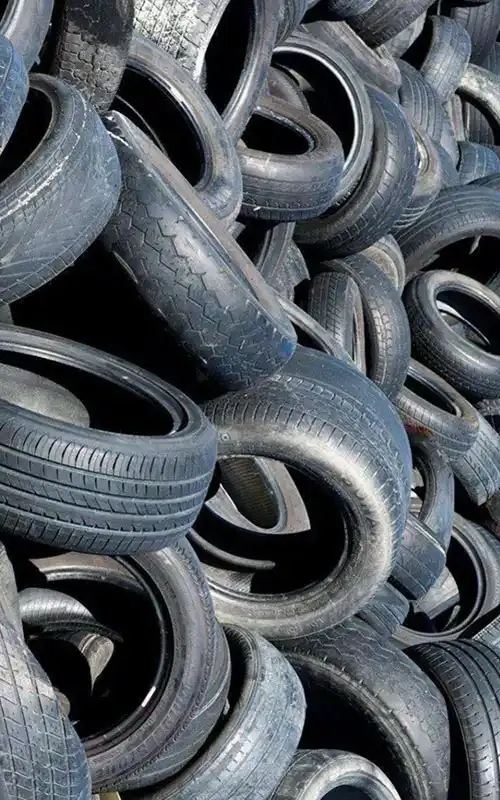
Waste Tire
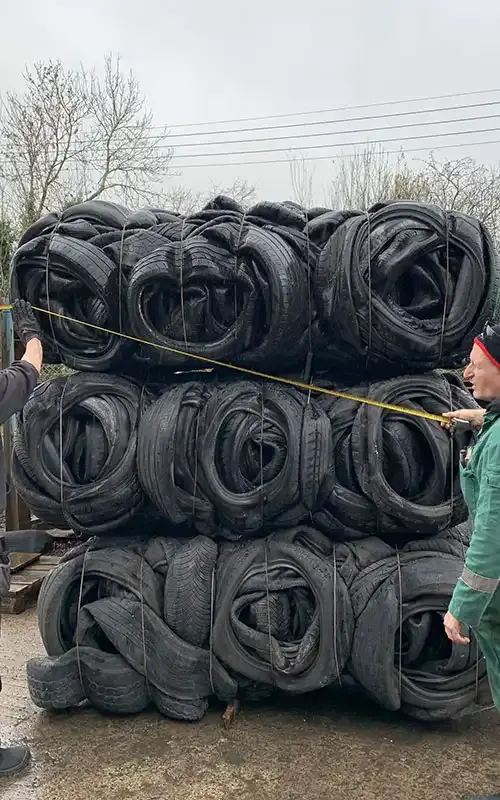
Waste Tire
Compress used tires into heavy, stable bales for transport.
Explore application +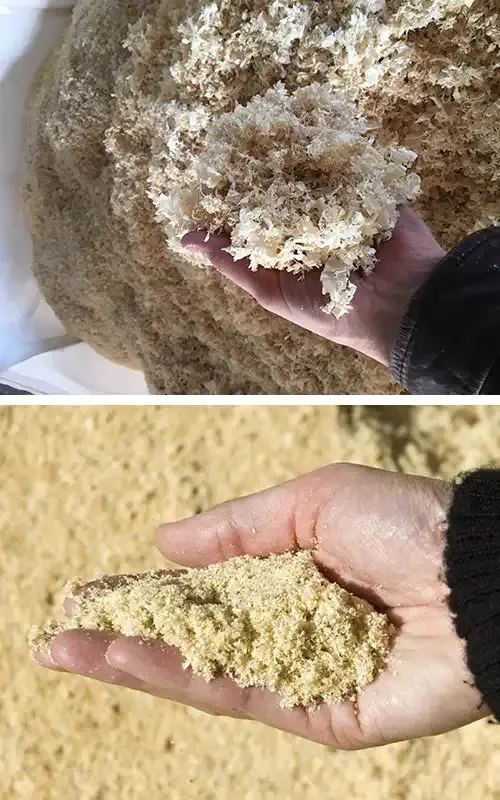
Wood Sawdust/Shavings
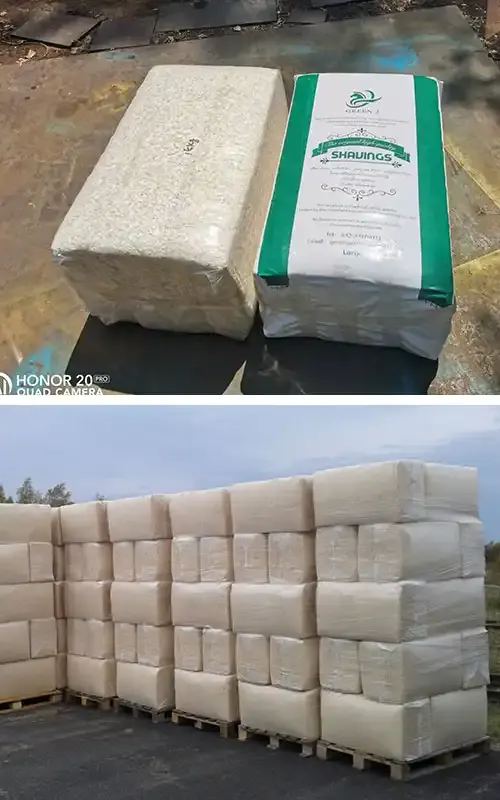
Wood Sawdust/Shavings
Bag sawdust and wood shavings for bedding and distribution.
Explore application +
Agriculture
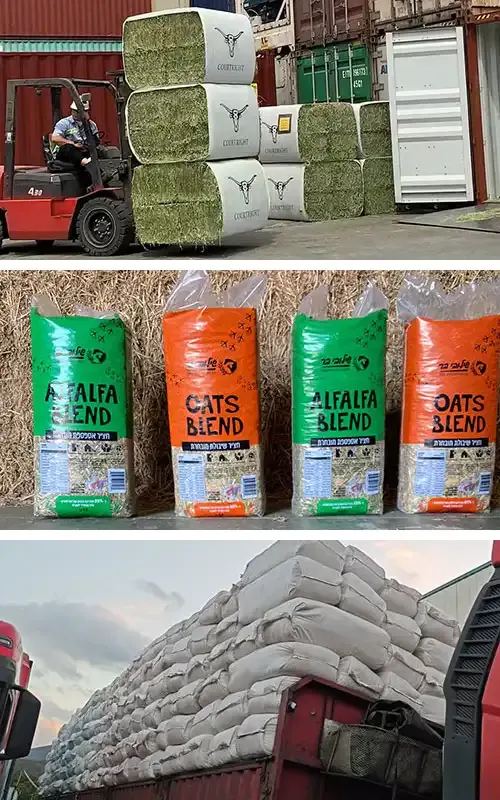
Agriculture
Bale hay, straw and other agricultural materials for shipping.
Explore application +FAQ
Practical answers for selecting and planning an industrial recycling system.
MORE+How do I choose the right recycling process for my material?+
The right process is the one that produces a material your next customer or production stage can use. Bulky offcuts intended for transport need a different route from oily machining chips intended for remelting. Define that destination first, then work backwards through sorting, size reduction and compaction. How to Choose a Metal Chip Briquetting Line for a Small CNC Machine Shop illustrates why the upstream chip condition matters as much as the final press.
Baling, shearing, shredding and briquetting solve different handling problems. Send representative photos or samples and the buyer's acceptance requirements so the proposed process can be matched to both the incoming waste and its next use.
What information should I send for an accurate quotation?+
An accurate quotation needs an operating brief, not just a requested tonnage. Show the supplier the most difficult normal feed, describe the accepted finished product and identify the equipment already available at the site. Two quotations labelled “one tonne per hour” can cover very different processing stages; the information below helps make their scope comparable.
Useful information to include
- Feed: material, size, contamination and sample photos.
- Workload: daily mass, peak accumulation and available production hours.
- Result: required package or cut size and the receiver's acceptance criteria.
- Interfaces: loading method, collection equipment and any existing machines.
- Site: layout, supply voltage, ambient conditions and destination.
Explain how material will arrive and how finished products will be removed. A floor plan, loading height and downstream equipment details help define the scope. The quotation should clearly distinguish the main machine, options, installation requirements and services.
Can my own material be tested before machine selection?+
A representative trial is useful when feeding behaviour or finished-product quality cannot be established from photographs. Send material that captures normal variation, including difficult batches, and agree what the trial must resolve. For example, a neat briquette is not sufficient evidence if the purchasing decision also depends on sustained mass output or residual-fluid handling.
Discuss sample quantity, shipping arrangements and the proposed test scope with the project team. Useful results include incoming material condition, settings, processed mass, elapsed operating time and finished-product measurements. Trial availability and any associated costs must be agreed for the project.
Which parts of a machine can be customised?+
Customisation is worthwhile when it solves a documented operational constraint. A different discharge direction may save handling space; a larger hopper may smooth intermittent deliveries. Both can affect other parts of the design. Describe the problem before specifying the option, and check that changes in chamber, feeding, cooling and controls remain compatible with the intended material duty.
Describe the operational reason for each requested change. Customisation should be evaluated as a connected design, not a collection of unrelated options. Dimensions, performance conditions, included components and approval drawings need to be confirmed in the order specification.
How are installation, commissioning and operator training arranged?+
Installation, commissioning and training are separate services and should be agreed separately. The customer's available technicians, destination and equipment complexity determine which combination of documentation, remote support and site attendance is appropriate. Use Installation Guidance as a starting point for the discussion, then record the actual responsibilities and included services in the order.
Before dispatch, a responsibility list can prevent practical delays:
- Who prepares the floor, foundation and service connections?
- Who supplies lifting equipment and installation labour?
- Who provides oil and other commissioning consumables?
- What documentation and training are included?
- Are site attendance, travel and scheduling covered in the quotation?
Agree who provides foundations, lifting equipment, electrical connections, oil and installation labour. Training should cover the selected machine's normal operation, inspections, protective systems and reporting of abnormal conditions. Site-service scope, scheduling, travel and charges should be documented.
What warranty and after-sales support apply to my order?+
The warranty that applies is the written agreement for your order. A website description cannot establish the coverage of wear parts, consumables, travel or site labour. Clarify both the commercial terms and the practical reporting route before purchase. Maintenance Support describes the support topic; any response time, coverage or cost must still be confirmed for the project.
Keep the machine serial number, commissioning records and service history. When reporting a problem, provide symptoms, alarm information and operating conditions so support can identify the issue and explain the applicable service process.
CUSTOMER CASES
Representative recycling projects configured for different materials and regions.
MORE+ 01 · INDONESIA
Automatic Aluminium UBC Shear Baler
A three-cylinder automatic shear baler for an Indonesian Aluminium UBC recycling customer, with a reported processing capacity of 900–1,100 kg/hour.
- Material
- Aluminium UBC
- Output Capacity
- 900–1,100 kg/hour
- Country
- Indonesia
 02 · KOREA
Aluminium Die Cast Chips Briquetting Line in Korea
An integrated briquetting line for a Korean customer's ADC12 aluminium die-cast chips, with a reported capacity of 200–300 kg/hour and a compact layout for limited production space.
- Material
- ADC12 aluminium die-cast chips
- Output Capacity
- 200–300 kg/hour
- Country
- Korea
 03 · INDIA
Copper Cloves Briquetting Solutions
An Indian copper cloves briquetting project with a reported capacity of 2,000–2,500 kg/hour and briquette density up to 7.8 ton/m³ for organised handling, storage and recycling.
- Material
- Copper cloves
- Output Capacity
- 2,000–2,500 kg/hour
- Country
- India
 04 · RUSSIA
Big Output Horizontal Briquetting Line
A Russian iron chip briquetting project with a reported output of 4,000–6,000 kg/hour and briquette density of 5,000 kg/m³, supporting organised handling, storage and recycling.
- Material
- Iron chips
- Output Capacity
- 4,000–6,000 kg/hour
- Country
- Russia
 05 · THAILAND
Aluminium Chips Briquetting Machine
A Thai customer's 6061 aluminium chip briquetting project with reported output of 1,000–1,500 kg/hour, density above 2,000 kg/m³ and industrial oil cooling.
- Material
- 6061 Aluminium Chips
- Output Capacity
- 1,000–1,500 kg/hour
- Country
- Thailand
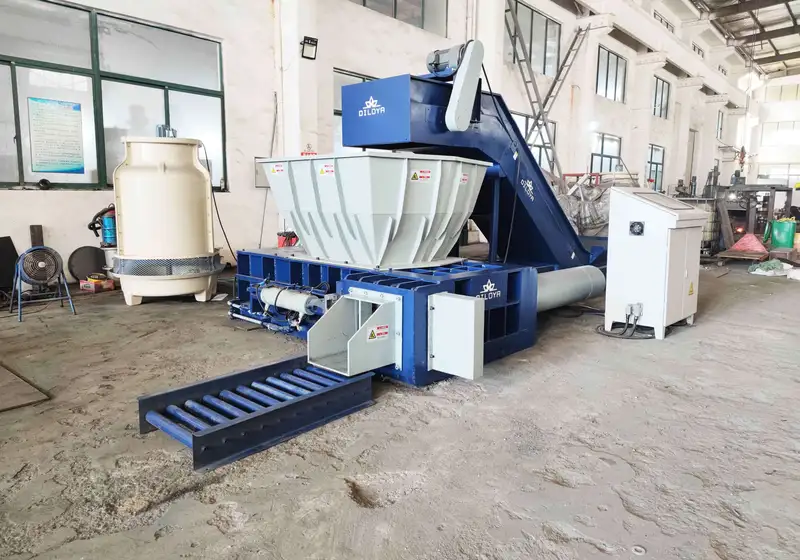 06 · INDIA
Aluminium Can Baling Machine For Recycling Plants In India
An India-focused aluminium can baling project brief covering batch collection, material preparation, feeding and bale acceptance. Project specifications are pending.
- Material
- Aluminium UBC
- Output Capacity
- 1000-1200kg/Hour
- Country
- India
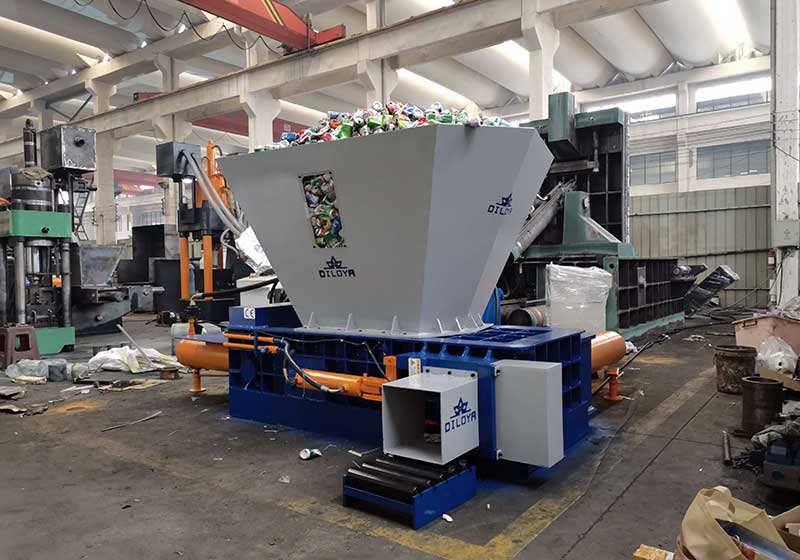 07 · TURKEY
Aluminium Can Baler For Sale In Turkey
A Turkey-focused can baler procurement brief covering supply scope, buyer bale requirements and installed-cost comparison. Final project data are pending.
- Material
- Aluminium Can
- Output Capacity
- 300-500kg/Hour
- Country
- Turkey
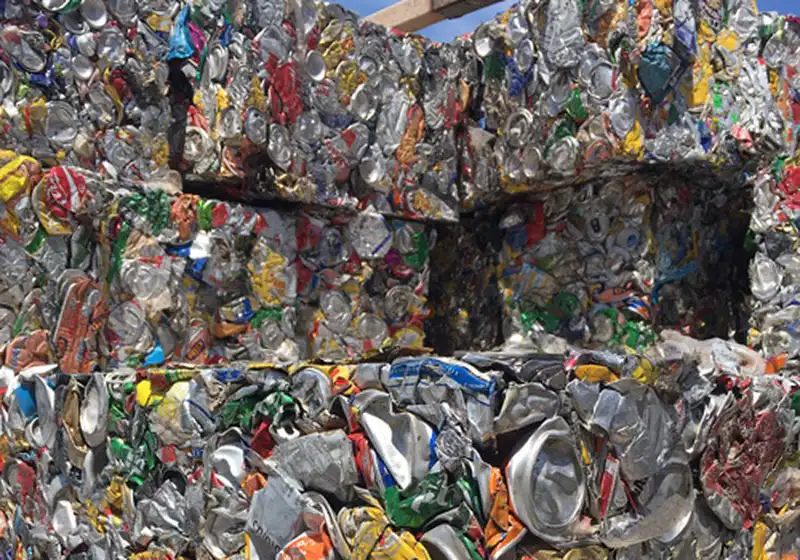 08 · UNITED ARAB EMIRATES
Industrial Aluminium Can Baler For UAE Recycling Companies
A UAE aluminium can baling brief focused on material consistency, site conditions, cooling review and bale logistics. Capacity and customer images are pending.
- Material
- Aluminium UBC
- Output Capacity
- 1500-2000kg/H
- Country
- UAE
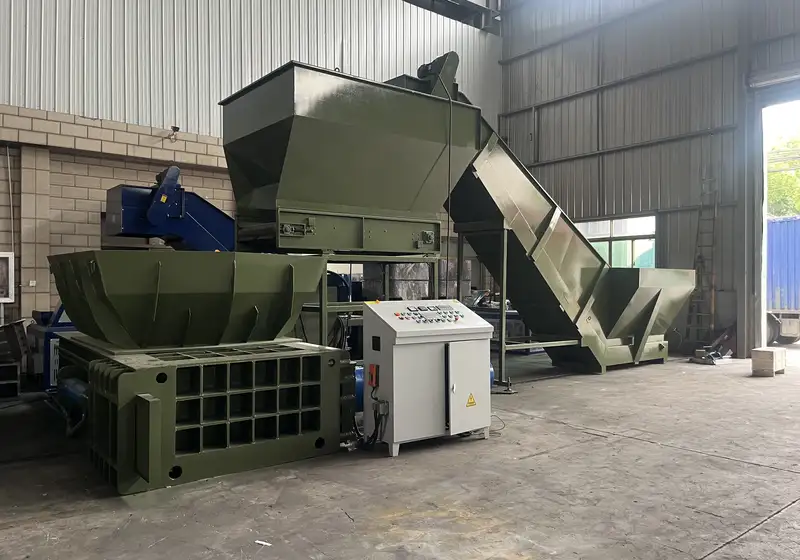 09 · UNITED STATES
Aluminum UBC Baler For Recycling Operations In The United States
A United States UBC baler planning brief covering line integration, output acceptance and equipment interfaces. Model, capacity and customer photographs are pending.
- Material
- Aluminium Tins Cans
- Output Capacity
- 800-1000kg/Hour
- Country
- United States
 10 · Indonesia
Heavy-Duty Vertical Metal Baler In Indonesia
An Indonesian customer uses a heavy-duty vertical tying baler for aluminium profiles, stainless steel and beverage cans, with reported bale weights of 600–1,500 kg.
- Material
- Aluminium profiles, stainless steel scrap, Aluminium Cans
- Output Capacity
- 3000-5000kg/Hour
- Country
- Indonesia
 11 · Poland
Heavy-Duty Double Main Cylinder Metal Baler In Poland
A Polish customer's heavy-duty double-main-cylinder scrap baler combines PLC automatic control and remote control, with reported output up to 15 t/hour.
- Material
- Light-gauge ferrous scrap, waste reinforcing bars
- Output Capacity
- Up to 15 t/hour
- Country
- Poland
 12 · North Macedonia
250-Ton Side-Discharge Scrap Metal Baler In North Macedonia
North Macedonia customer case: a 250-ton side-discharge scrap baler with a 500 × 500 mm bale cross-section, 250–400 kg bales and reported output of 4–6 t/hour.
- Material
- Prepared iron and steel scrap
- Output Capacity
- 4–6 t/hour (reported project output)
- Country
- North Macedonia
 13 · Japan
160-Ton Forward-Out Aluminium Profile Baler In Japan
A Japanese customer uses a 160-ton forward-out baler for aluminium profiles, with reported output of 800–1,200 kg/hour and a defined front bale collection path.
- Material
- Aluminium Extrusion Scrap
- Output Capacity
- 800–1,200 kg/hour
- Country
- Japan
 14 · UAE
Automatic Side Turn-Out Metal Baler For Aluminium Profiles In The UAE
A UAE customer reports 2,000–2,500 kg/hour aluminium-profile baling and density up to 1,000 kg/m³, then orders two more identical balers after two months.
- Material
- Aluminium profile scrap
- Output Capacity
- 2,000–2,500 kg/hour
- Country
- United Arab Emirates
 15 · Colombia
High-Output Three-Ram Big-Hopper UBC Shear Baler In Colombia
Colombia customer case: three-direction compression for empty aluminium cans, PLC and remote control, with reported maxima of 90 bales/hour and 4,000 kg/hour.
- Material
- Empty aluminium beverage cans (UBC)
- Output Capacity
- Up to 4,000 kg/hour
- Country
- Colombia
 16 · Germany
Aluminium Turnings Shredding And Briquetting Line In Germany
A German customer processes aluminium turnings at 30–50 kg/hour using a single-shaft shredder, conveyor and BPM small briquetting press with complete-line PLC automation.
- Material
- Aluminium turnings and machining swarf
- Output Capacity
- 30–50 kg/hour
- Country
- Germany
 17 · Greece
Double Outlet Aluminium Chip Briquetting Press In Greece
A Greek customer requires 600–800 kg/hour aluminium chip processing. The recommended double-outlet press uses PLC automation, with a stated rate of 5–6 briquettes/minute.
- Material
- Aluminium machining chips
- Output Capacity
- 600–800 kg/hour; 5–6 briquettes/minute
- Country
- Greece
 18 · South Africa
Alligator Shear For Aluminium Ingot Cutting In South Africa
A South African customer uses a conventional Alligator Shear for aluminium ingots, with reported output of 800–1,000 kg/hour and 8–12 cutting strokes/minute.
- Material
- Aluminium ingots
- Output Capacity
- 800–1,000 kg/hour
- Country
- South Africa
 19 · Singapore
Horizontal Steel Bar Container Shear For Heavy Scrap In Singapore
Singapore customer case: a horizontal box shear for waste rebar and heavy structural steel, with reported output of 10–15 t/hour, PLC automation and remote control.
- Material
- Waste rebar, heavy ferrous scrap, angle steel and I-beams
- Output Capacity
- 10–15 t/hour
- Country
- Singapore
 20 · Croatia
10kg Wiping Rags Baler In Croatia
A Croatian industrial wiping-rag producer uses weighing-controlled 10 kg packaging, with reported output of 60–80 bales/hour for wiping cloths and suitable used clothing.
- Material
- Wiping rags, Used clothing
- Output Capacity
- 60–80 bales/hour
- Country
- Croatia
 21 · Belgium
Dual-Outlet Clothes Baler In Belgium: Two Weights-One Baler
Belgian customer uses one dual-outlet clothes baler for two package-weight options, such as 5 kg and 10 kg, reducing the need to purchase separate machines.
- Material
- Clothing, textiles, Wiping Rags
- Output Capacity
- 80-100bales/Hour
- Country
- Belgium
 22 · Estonia
Wood Shavings Animal Bedding Bagging Baler In Estonia
Estonian customer uses a PLC-controlled bagging baler for wood shavings and alfalfa hay, with stated output of 200 bags per hour for bedding and forage packaging.
- Material
- Wood shavings, Alfalfa hay
- Output Capacity
- 200 bags/hour
- Country
- Estonia
 23 · Indonesia
Three Rams Bagging Baler For Corncob Granules In Indonesia
Indonesian customer uses a three-ram bagging baler for corncob granules, with stated throughput of 4–6 tonnes per hour to support compact packaging, handling and shipment.
- Material
- Corncob granules
- Output Capacity
- 4–6 tonnes/hour
- Country
- Indonesia
 24 · Egypt
High Output Alfalfa Hay Cutting Bagging Baler In Egypt
An Egyptian customer's integrated, automatically controlled alfalfa hay cutting and bagging line has stated output of 15 tonnes/hour and bale weights of 480–500 kg.
- Material
- Alfalfa hay
- Output Capacity
- 15 tonnes/hour
- Country
- Egypt
 25 · Tanzania
100kg Sisal Fiber Baler In Tanzania
A Tanzanian customer uses a 100kg sisal fiber baler at a stated 8–10 bales/hour, with three alternative bale dimensions and reported 25–28-tonne loading in a 40-foot container.
- Material
- Sisal fiber; suitable coir and palm fibers
- Output Capacity
- 8–10 bales/hour
- Country
- Tanzania
 26 · United Kingdom
45kg / 100lbs Old Clothes Baler In The UK
A UK customer uses a 45kg-class old clothes baler for used clothing and rags, with stated output of 8–12 bales/hour to reduce storage volume and support transport efficiency.
- Material
- Used clothing, Wiping rags
- Output Capacity
- 8–12 bales/hour
- Country
- United Kingdom
 27 · Australia
Waste Tire Baler In Australia: 1000–1500kg Bales
Australian customer uses a waste tire baler with stated bale weights of 1,000–1,500kg and output of 2–3 bales per hour for consolidating bulky tire stock.
- Material
- Waste tires
- Output Capacity
- 2–3 bales/hour
- Country
- Australia
01 · INDONESIAAutomatic Aluminium UBC Shear Baler
A three-cylinder automatic shear baler for an Indonesian Aluminium UBC recycling customer, with a reported processing capacity of 900–1,100 kg/hour.
- Material
- Aluminium UBC
- Output Capacity
- 900–1,100 kg/hour
- Country
- Indonesia
02 · KOREAAluminium Die Cast Chips Briquetting Line in Korea
An integrated briquetting line for a Korean customer's ADC12 aluminium die-cast chips, with a reported capacity of 200–300 kg/hour and a compact layout for limited production space.
- Material
- ADC12 aluminium die-cast chips
- Output Capacity
- 200–300 kg/hour
- Country
- Korea
03 · INDIACopper Cloves Briquetting Solutions
An Indian copper cloves briquetting project with a reported capacity of 2,000–2,500 kg/hour and briquette density up to 7.8 ton/m³ for organised handling, storage and recycling.
- Material
- Copper cloves
- Output Capacity
- 2,000–2,500 kg/hour
- Country
- India
04 · RUSSIABig Output Horizontal Briquetting Line
A Russian iron chip briquetting project with a reported output of 4,000–6,000 kg/hour and briquette density of 5,000 kg/m³, supporting organised handling, storage and recycling.
- Material
- Iron chips
- Output Capacity
- 4,000–6,000 kg/hour
- Country
- Russia
05 · THAILANDAluminium Chips Briquetting Machine
A Thai customer's 6061 aluminium chip briquetting project with reported output of 1,000–1,500 kg/hour, density above 2,000 kg/m³ and industrial oil cooling.
- Material
- 6061 Aluminium Chips
- Output Capacity
- 1,000–1,500 kg/hour
- Country
- Thailand
06 · INDIAAluminium Can Baling Machine For Recycling Plants In India
An India-focused aluminium can baling project brief covering batch collection, material preparation, feeding and bale acceptance. Project specifications are pending.
- Material
- Aluminium UBC
- Output Capacity
- 1000-1200kg/Hour
- Country
- India
07 · TURKEYAluminium Can Baler For Sale In Turkey
A Turkey-focused can baler procurement brief covering supply scope, buyer bale requirements and installed-cost comparison. Final project data are pending.
- Material
- Aluminium Can
- Output Capacity
- 300-500kg/Hour
- Country
- Turkey
08 · UNITED ARAB EMIRATESIndustrial Aluminium Can Baler For UAE Recycling Companies
A UAE aluminium can baling brief focused on material consistency, site conditions, cooling review and bale logistics. Capacity and customer images are pending.
- Material
- Aluminium UBC
- Output Capacity
- 1500-2000kg/H
- Country
- UAE
09 · UNITED STATESAluminum UBC Baler For Recycling Operations In The United States
A United States UBC baler planning brief covering line integration, output acceptance and equipment interfaces. Model, capacity and customer photographs are pending.
- Material
- Aluminium Tins Cans
- Output Capacity
- 800-1000kg/Hour
- Country
- United States
10 · IndonesiaHeavy-Duty Vertical Metal Baler In Indonesia
An Indonesian customer uses a heavy-duty vertical tying baler for aluminium profiles, stainless steel and beverage cans, with reported bale weights of 600–1,500 kg.
- Material
- Aluminium profiles, stainless steel scrap, Aluminium Cans
- Output Capacity
- 3000-5000kg/Hour
- Country
- Indonesia
11 · PolandHeavy-Duty Double Main Cylinder Metal Baler In Poland
A Polish customer's heavy-duty double-main-cylinder scrap baler combines PLC automatic control and remote control, with reported output up to 15 t/hour.
- Material
- Light-gauge ferrous scrap, waste reinforcing bars
- Output Capacity
- Up to 15 t/hour
- Country
- Poland
12 · North Macedonia250-Ton Side-Discharge Scrap Metal Baler In North Macedonia
North Macedonia customer case: a 250-ton side-discharge scrap baler with a 500 × 500 mm bale cross-section, 250–400 kg bales and reported output of 4–6 t/hour.
- Material
- Prepared iron and steel scrap
- Output Capacity
- 4–6 t/hour (reported project output)
- Country
- North Macedonia
13 · Japan160-Ton Forward-Out Aluminium Profile Baler In Japan
A Japanese customer uses a 160-ton forward-out baler for aluminium profiles, with reported output of 800–1,200 kg/hour and a defined front bale collection path.
- Material
- Aluminium Extrusion Scrap
- Output Capacity
- 800–1,200 kg/hour
- Country
- Japan
14 · UAEAutomatic Side Turn-Out Metal Baler For Aluminium Profiles In The UAE
A UAE customer reports 2,000–2,500 kg/hour aluminium-profile baling and density up to 1,000 kg/m³, then orders two more identical balers after two months.
- Material
- Aluminium profile scrap
- Output Capacity
- 2,000–2,500 kg/hour
- Country
- United Arab Emirates
15 · ColombiaHigh-Output Three-Ram Big-Hopper UBC Shear Baler In Colombia
Colombia customer case: three-direction compression for empty aluminium cans, PLC and remote control, with reported maxima of 90 bales/hour and 4,000 kg/hour.
- Material
- Empty aluminium beverage cans (UBC)
- Output Capacity
- Up to 4,000 kg/hour
- Country
- Colombia
16 · GermanyAluminium Turnings Shredding And Briquetting Line In Germany
A German customer processes aluminium turnings at 30–50 kg/hour using a single-shaft shredder, conveyor and BPM small briquetting press with complete-line PLC automation.
- Material
- Aluminium turnings and machining swarf
- Output Capacity
- 30–50 kg/hour
- Country
- Germany
17 · GreeceDouble Outlet Aluminium Chip Briquetting Press In Greece
A Greek customer requires 600–800 kg/hour aluminium chip processing. The recommended double-outlet press uses PLC automation, with a stated rate of 5–6 briquettes/minute.
- Material
- Aluminium machining chips
- Output Capacity
- 600–800 kg/hour; 5–6 briquettes/minute
- Country
- Greece
18 · South AfricaAlligator Shear For Aluminium Ingot Cutting In South Africa
A South African customer uses a conventional Alligator Shear for aluminium ingots, with reported output of 800–1,000 kg/hour and 8–12 cutting strokes/minute.
- Material
- Aluminium ingots
- Output Capacity
- 800–1,000 kg/hour
- Country
- South Africa
19 · SingaporeHorizontal Steel Bar Container Shear For Heavy Scrap In Singapore
Singapore customer case: a horizontal box shear for waste rebar and heavy structural steel, with reported output of 10–15 t/hour, PLC automation and remote control.
- Material
- Waste rebar, heavy ferrous scrap, angle steel and I-beams
- Output Capacity
- 10–15 t/hour
- Country
- Singapore
20 · Croatia10kg Wiping Rags Baler In Croatia
A Croatian industrial wiping-rag producer uses weighing-controlled 10 kg packaging, with reported output of 60–80 bales/hour for wiping cloths and suitable used clothing.
- Material
- Wiping rags, Used clothing
- Output Capacity
- 60–80 bales/hour
- Country
- Croatia
21 · BelgiumDual-Outlet Clothes Baler In Belgium: Two Weights-One Baler
Belgian customer uses one dual-outlet clothes baler for two package-weight options, such as 5 kg and 10 kg, reducing the need to purchase separate machines.
- Material
- Clothing, textiles, Wiping Rags
- Output Capacity
- 80-100bales/Hour
- Country
- Belgium
22 · EstoniaWood Shavings Animal Bedding Bagging Baler In Estonia
Estonian customer uses a PLC-controlled bagging baler for wood shavings and alfalfa hay, with stated output of 200 bags per hour for bedding and forage packaging.
- Material
- Wood shavings, Alfalfa hay
- Output Capacity
- 200 bags/hour
- Country
- Estonia
23 · IndonesiaThree Rams Bagging Baler For Corncob Granules In Indonesia
Indonesian customer uses a three-ram bagging baler for corncob granules, with stated throughput of 4–6 tonnes per hour to support compact packaging, handling and shipment.
- Material
- Corncob granules
- Output Capacity
- 4–6 tonnes/hour
- Country
- Indonesia
24 · EgyptHigh Output Alfalfa Hay Cutting Bagging Baler In Egypt
An Egyptian customer's integrated, automatically controlled alfalfa hay cutting and bagging line has stated output of 15 tonnes/hour and bale weights of 480–500 kg.
- Material
- Alfalfa hay
- Output Capacity
- 15 tonnes/hour
- Country
- Egypt
25 · Tanzania100kg Sisal Fiber Baler In Tanzania
A Tanzanian customer uses a 100kg sisal fiber baler at a stated 8–10 bales/hour, with three alternative bale dimensions and reported 25–28-tonne loading in a 40-foot container.
- Material
- Sisal fiber; suitable coir and palm fibers
- Output Capacity
- 8–10 bales/hour
- Country
- Tanzania
26 · United Kingdom45kg / 100lbs Old Clothes Baler In The UK
A UK customer uses a 45kg-class old clothes baler for used clothing and rags, with stated output of 8–12 bales/hour to reduce storage volume and support transport efficiency.
- Material
- Used clothing, Wiping rags
- Output Capacity
- 8–12 bales/hour
- Country
- United Kingdom
27 · AustraliaWaste Tire Baler In Australia: 1000–1500kg Bales
Australian customer uses a waste tire baler with stated bale weights of 1,000–1,500kg and output of 2–3 bales per hour for consolidating bulky tire stock.
- Material
- Waste tires
- Output Capacity
- 2–3 bales/hour
- Country
- Australia
NEWS
Latest product, factory and project updates from DILOYA.
MORE+ Industrial News
 · 2026-09-16
How to Match Material Size, Press Chamber Dimensions and Bale Requirements When Selecting a Metal Baler?
A practical metal baler selection guide explaining how incoming scrap dimensions, usable chamber size and finished bale specifications affect loading, compaction and output.
More Details+ Industrial News
 · 2026-10-16
How to Choose a Metal Chip Briquetting Line for a Small CNC Machine Shop
A practical selection guide covering chip type, daily output, shredding, fluid separation, workshop space and automation for small CNC machine shops.
More Details+ Blog
Blog · 2026-02-05
How to Maintain an Aluminium Chips Briquetting Machine?
A practical maintenance guide covering daily checks, hydraulic oil, cooling, tooling, safe cleaning and service records for aluminium chip briquetting machines.
More Details+BlogBlog · 2026-10-23
Aluminium Can Baling Machine Price: Cost Factors And Buying Guide
Compare aluminium can baler prices on a like-for-like basis, including feeding, bale requirements, automation, installation and lifetime operating costs.
More Details+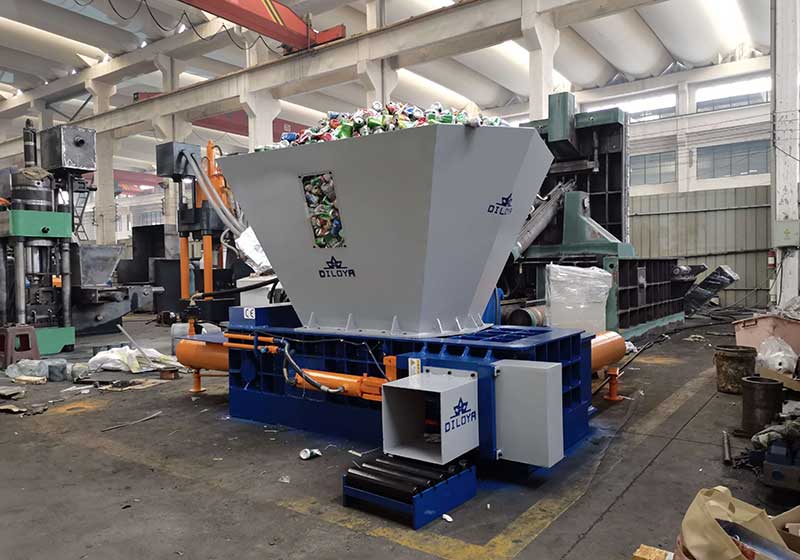 Blog
Blog · 2026-10-23
Hydraulic Can Baler Pressure And Bale Density: A Practical Guide
Understand the difference between hydraulic pressure, pressing force and bale density, then compare machines using measurable finished-bale results.
More Details+